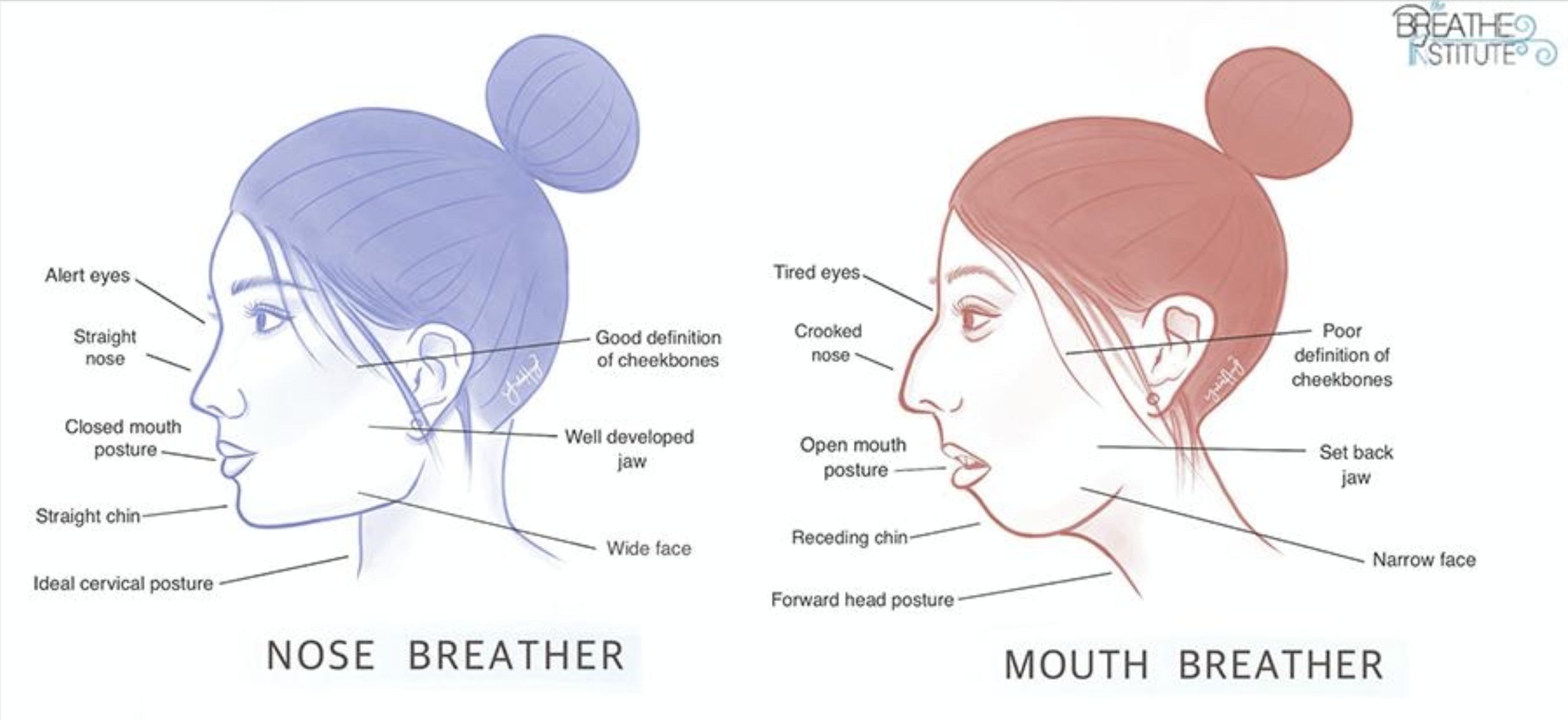
TMJ pain, Neck Pain, and Migraine - an overlooked connection
If you’ve ever experienced jaw tension, neck pain, clicking, unexplained “tooth pain,” and/or migraines that you feel in your neck or face, you may have noticed that these symptoms don’t exist in isolation. They tend to overlap, fluctuate, and resist simple explanations. Many people move from dentist to specialist to therapist searching for answers, often without realizing that a small, everyday habit may be quietly contributing to the bigger picture.

That habit is noticing and possibly changing the position where your tongue rests.
The tongue is rarely something we think about unless we’re eating or speaking, but it functions as much more than that. It is a postural muscle with direct connections to the jaw, the hyoid, and the cervical spine. It also sits within the same neurological network—the trigeminal system—that is deeply involved in both temporomandibular joint (TMJ) disorders and migraine.

When the tongue rests low in the mouth, which is common, the body often compensates in subtle but meaningful ways. The jaw muscles remain slightly active to maintain position. The teeth are more likely to touch or lightly clench. The superficial neck muscles may take on additional work to stabilize the head as the chin is jutted forward to open the airway. Breathing can shift toward the mouth, especially under stress or fatigue.
None of these changes are dramatic on their own, but together they create a steady stream of sensory input into the trigeminal system. Over time, that input can act like background noise that the nervous system never quite turns off.
The nerve connection:
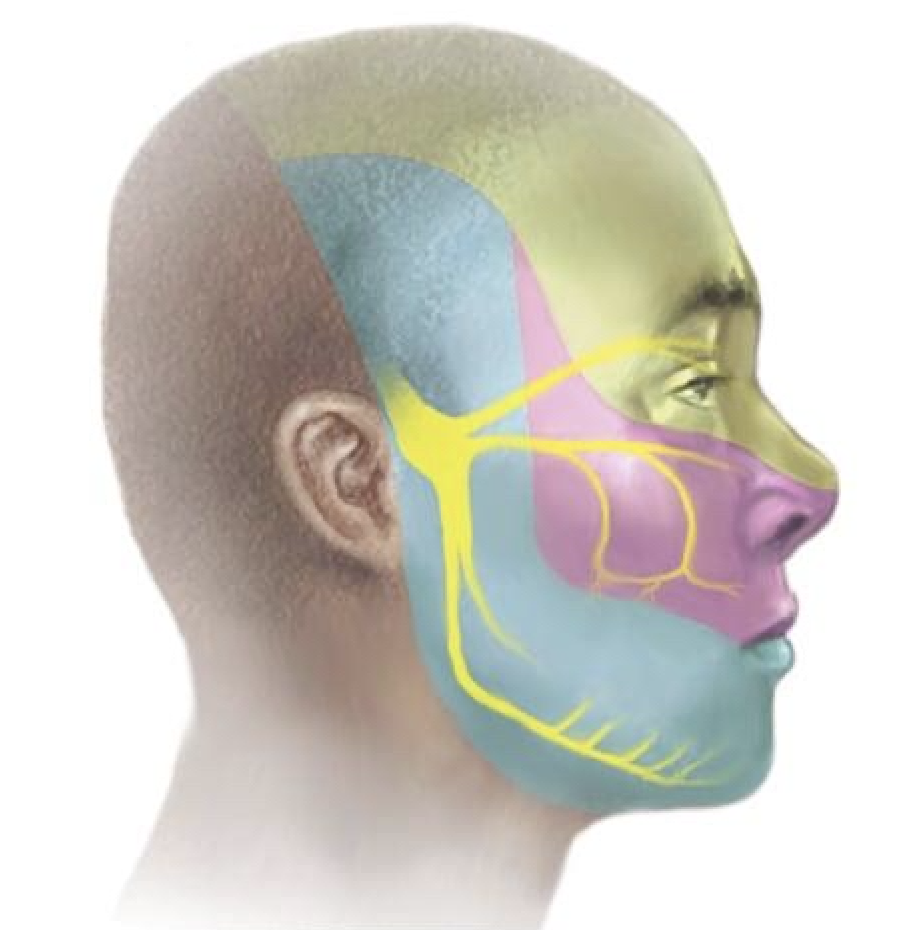
The trigeminal nerve does not separate these regions as distinct. Instead, it integrates signals from the face, jaw, and head, which is why pain can move between these areas or present in unexpected ways. In some cases, migraine-related pain shows up primarily in the face or teeth—a pattern often referred to as orofacial migraine. In others, TMJ dysfunction and muscle tension act as amplifiers, increasing the frequency or intensity of migraine episodes.
Migraine is a complex neurological condition. However, the musculoskeletal system can influence how sensitive that system becomes and how strongly symptoms are experienced.
Reducing unnecessary input—especially the kind that is present all day, every day—can make a meaningful difference.
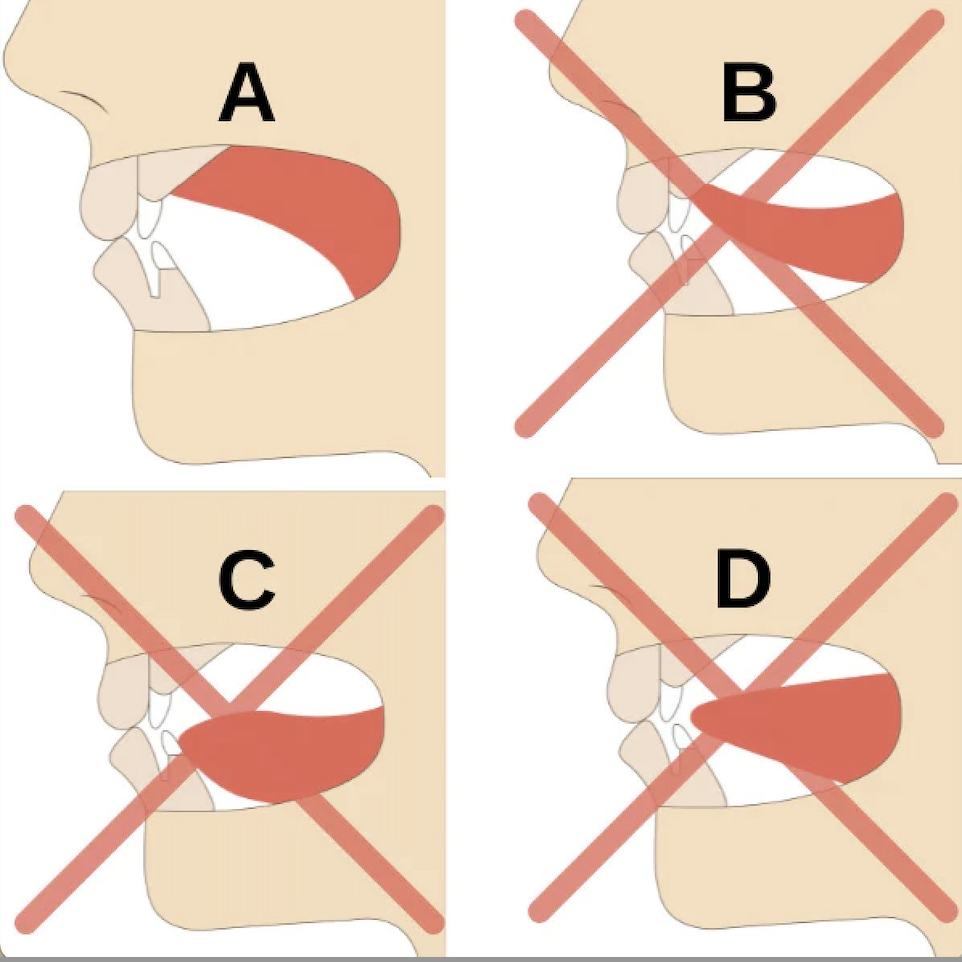
Tongue position is vitally important.
A more supportive resting position is simple, though it may feel unfamiliar at first. The tongue rests gently on the roof of the mouth, the teeth remain slightly apart, the lips are closed but relaxed, and breathing occurs through the nose. This position does not require force. In fact, the most important quality is ease.
When the tongue is supported against the palate, the jaw no longer needs to rely on muscular effort to maintain its position. The tendency to clench decreases. The neck muscles can relax their role in stabilization. Nasal breathing becomes more natural, which in turn supports a calmer, more regulated nervous system. None of these changes are dramatic or immediate, but together they reduce the overall load being placed on the trigeminal system.
It is important to emphasize that this is not a quick fix. Adjusting tongue posture will not eliminate TMJ dysfunction or cure migraine. What it can do is lower the baseline level of tension and sensitivity in the system, making flare-ups less frequent, less intense, or easier to recover from. In many cases, it also improves how well other treatments—whether physical therapy, medication, or stress management—are able to work.
Build habits by improving your awareness.

The process of changing this habit is gradual. It begins with awareness.
Most people are not conscious of where their tongue rests or whether their teeth are touching throughout the day. Simply noticing these patterns and gently resetting them can begin to shift the system.
I suggest setting a goal of checking on your tongue posture 7 times a day. If you find your tongue elsewhere, say “N” and the tongue will return to the roof of your mouth.
“N”
Over time, light exercises can help build endurance, allowing the tongue to rest comfortably on the palate without effort. Eventually, the goal is not to “practice” at all, but for this position to become the default. Along the way, it is common to encounter a few pitfalls. Try not to try too hard! Pressing the tongue firmly into the palate or holding tension in an effort to “do it right” often has the opposite effect, increasing muscle activity rather than reducing it. The intention is not perfection, but a gradual shift toward less effort and more ease.
How physical therapy can help:

Physical therapy plays an important role in this process because it looks beyond a single structure or symptom. Jaw mechanics, cervical mobility and stability, posture habits, breathing patterns, and nervous system regulation are all part of the same interconnected system. Addressing tongue posture is one piece, but it becomes most effective when integrated with a broader approach that considers how the entire system is functioning, such as breathing mechanics.
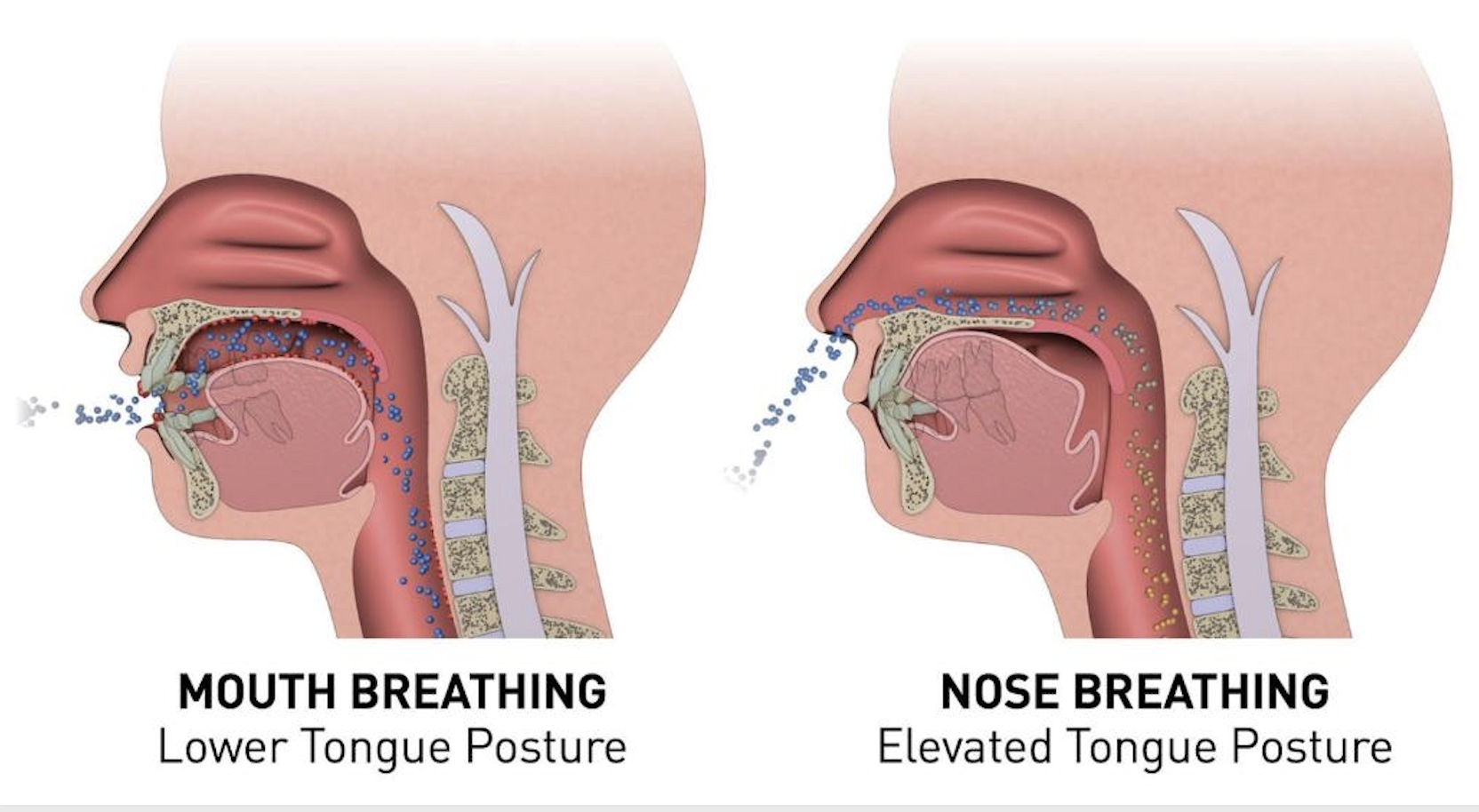
Not only does the tongue position affect cervical muscles, but it also affects our ability to breathe through our nose.
Improvement of both breathing mechanics as well as our ability to decrease unnecessary resting muscle tension, can start with something as simple as becoming aware of where your tongue rests.